

Navigating the shared paths of a community can feel like a dance. When everyone knows the steps, cart drivers, pedestrians, bikers, the flow feels smooth. But when someone twirls off beat, friction happens. That’s why mastering golf cart etiquette isn’t just a friendly gesture; it keeps neighborhoods safe, inclusive, and fun.
Whether you’re new to cart ownership or a seasoned driver, this guide is your go-to for best practices on driving, parking, and sharing space. Let’s hit the green and refine those moves.
Drive With Kindness: Why This Central Rule Matters
- Mind the Speed: There’s a thrill in zipping through your community on a golf cart. The convenience and mobility are surely liberating. However, every rev of the accelerator needs proper care paid to it. Philanthropy starts with patience: slow down. On shared paths or near homes, keep your speed moderate, about 10 to 15 mph. That lets you react to surprises, like an excited pet, toddler on training wheels, or a wayward soccer ball.
- Signal Clearly: Golf carts don’t come equipped with turn signals, but just like out on the open roads, signals are essential. Use hand signals, just as you would on a bike: arm straight out for left, arm bent up for right, and arm down for stopping. This small gesture helps others anticipate your course and feel safe around you.
- Avoid the J-Turn: That quick U-turn in a driveway or midway through a path? It looks clever, but does no favors for safety. It usually endangers others who can’t predict your move. Instead, plan ahead and turn around only in wide open, low traffic areas.
Pedestrians First: Prioritizing Non-Motorists
- Always Yield: It’s not difficult to picture. Imagine you’re leading the charge through the neighborhood, and someone with grocery bags steps onto the path. In those moments, the carts give way. Yielding to walkers, joggers, parents with strollers, and wheelchair users isn’t optional. It’s polite, safe, and makes communities more welcoming.
- Keep Windows and Conversations Respectful: Golf cart rides are social occasions, sometimes casual conversations are shared. But always remember: your sound is traveling beyond just your cart. Keep windows up near homes, and avoid loud or upsetting topics. If you’ve got passengers, gently remind them to speak softly near doorways or fences.
- Respect Neighbor Boundaries: Your cart might reflect your personality, decorated with custom paint, flags, or mascot plushies. That’s fun! But don’t trespass onto lawns or park blocking driveways. Carts parked on sidewalks can force pedestrians onto streets. Think of your cart as a big shoe: place it with intention to avoid tripping others.
Share with Bikers and Other Cart Drivers: Leaving Enough Room for Everyone
- Keep a Safe Distance: You don’t have to leave a chasm between you and other path occupants, but you should certainly leave enough room. A bike brush or cart bump can spell trouble. If you’re approaching oncoming carts, slow down, ease to your correct side, and pass with care. On curves or hidden corners, hug your side of the path rather than drifting.
- Pass with Courtesy: Passing another cart or bike? That’s totally fine, as long as you signal your intent and say “on your left” or “on your right.” It lets everyone else know you’re around, and reinforces a feeling of mutual awareness. Nodding or briefly waving adds a friendly charm that’s harder to come by in bigger vehicles.
- Use Lanes Appropriately: Some bigger pathways have marked lanes, or space wide enough for both carts and bikes. Stick to the cart or slower lane. If you’re racing along in the faster lane, you’re forcing bikers to swerve. Safety doesn’t come from speed; it comes from cooperation.
Parking Procedures: Stationary Etiquette
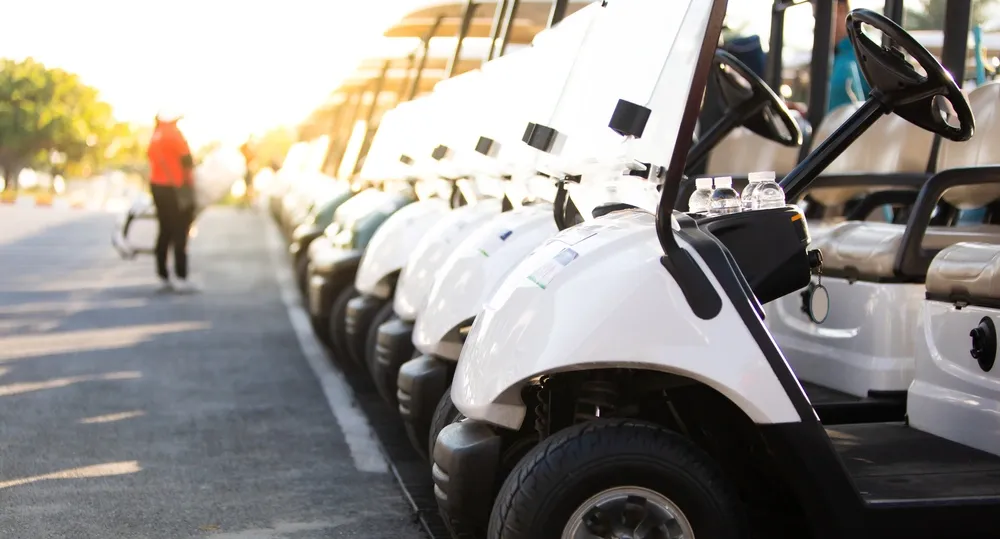
- Choose the Spot Wisely: It’s not enough to simply be courteous when you’re in motion, you have to bring that same consideration to situations when you’re not on the go. When arriving at shops, rec centers, or outdoor dining areas, look for designated cart parking spots. If you’re parking on a sidewalk, make sure there’s still room for pedestrians. Don’t block ramp access or curb cuts. If no such area exists, park in a lot or ask a staff member where carts should go.
- Power Off and Secure: Turning off your cart isn’t just for saving electricity, it’s about safety and maintenance. It also helps prevent someone from accidentally driving off. Most modern Wilmington golf carts have a steering lock. Use it. After all, that’s what it’s there for. If it doesn’t, put the cart in park and take the keys with you. These little, easy-to-execute precautions prevent big headaches.
- Be Neighborly in Shared Lots: This one should go without saying. If your community offers cart parking at homes or centers, park in your assigned bay. Parking stray carts is like leaving cars in someone else’s driveway, not cool. Overloaded common parking spots make things messy. A cluttered lot is cluttered minds, so respect the boundaries of your fellow lot occupants.
Golf Cart Parking Etiquette at a Glance
Do
- Park only in designated golf cart spaces
- Leave room for pedestrians
- Turn off the cart and take the key
- Follow assigned parking space rules
- Use a cover during long-term outdoor parking
Don’t
- Block sidewalks, driveways, or ramps
- Park on lawns or landscaped areas
- Leave the cart running unattended
- Use neighbor spots without permission
- Ignore weather protection and battery preservation
Be Weather-Wise: Remaining Proactive, Not Reactive
- Slow Down in Wet Conditions: You can draw a simple parallel to standard driving with this one. We know that rain doesn’t just dampen the roads, it affects control too. Wet tiles, painted lines, and gravel get slippery fast. Worst of all, these potential hazards are unassuming at the lower speeds carts hover around. That’s why it’s best to slow to a crawl when rain hits. Braking distances double on slick surfaces, and it’s better to be safe than stressed.
- Stow for Storms: Bad weather often galvanizes a recipe for disaster. If storms near, it’s best not to tempt fate by leaving your cart outside. Move it to a covered area, or bring a waterproof cover. Water damage can cause short circuits or ruin battery life. Make cart protection part of your weather routines. You’ll be glad you did.
Keep It Clean and Maintained: Accounting for Both Style and Function
- Routine Checks: Before each ride, glance at your tires. Are they inflated properly? Is there enough brake pressure? Is the horn working? Battery charge level? Although it may seem tedious, and you may think you’re in too big of a rush, these checks take minutes but prevent bigger malfunctions mid-ride. Luckily, golf cart repair in York, PA, and the surrounding areas is easily accessible and practical. Sometimes, opting for the professional touch is the best move you can make.
- Respect Communal Tags: Many gated communities tag carts with sticker numbers. It definitely isn’t for aesthetic appeal. It definitely does have its purpose, however. It keeps parkers and managers informed and in compliance. If your tag’s missing or expired, renew it quickly. Just like our vehicle registrations, there’s no sense in dragging our feet. A tagged cart moves faster, both socially and operationally.
Special Considerations for Business Owners: Creating Cart Nirvana
- Cart-Friendly Walkways: If you oversee a resort, golf club, or apartment complex, take time to design paths that make sense, both for function and safety. It’s typically advised to break up routes into access lanes for carts and walkways for pedestrians. Additionally, using clear signage and paint to designate zones is a sure-fire plan for success. Easy flow equals happy guests and, in turn, happy management.
- Provide Charging & Parking Stations: Add visible cart parking with visible chargers. When people know where to leave carts, they’ll avoid leaving them haphazardly. Charge cords near well-lit areas encourage users to top up their carts and park respectfully.
- Offer Etiquette Workshops: Bring cart etiquette and guidance to the forefront by giving your guests the tools for success. Welcome emails, orientation checklists, or occasional courtesy workshops help set expectations and prevent misunderstandings.
FAQs for Community Living: Staying Informed
Q. How many people can ride in one cart?
A. Check local rules: Most carts seat 4 to 6 passengers, including bench seats or side-facing rear benches. Don’t overload your cart. Follow the manufacturer’s capacity limits, and ensure there’s space for comfortable seating without bumping heads or breaking weight limits.
Q. Are seat belts required?
A. Some regions require seat belts on carts, especially newer models: We recommend always using them where provided, even if not mandated. Just because the speed is not as formidable, doesn’t mean proper protection isn’t warranted. Consider it a seatbelt for safety and etiquette.
Q. What if I see someone breaking etiquette?
A. Approach safely, not aggressively: You don’t need to make a large scene, however, a friendly reminder can go a long way. If needed, contact management or safety teams. Most folks just need a little it’s-your-neighbor reminder, not a lecture.
Common Etiquette Scenarios and Best Responses
Scenario
- Passing a pedestrian on a shared path
- Encountering an oncoming cart on a narrow lane
- Seeing an overloaded or improperly parked cart
- Guests unfamiliar with cart rules
- Loud music or conversations disturbing others
Best Practice
- Slow down, give space, and announce “on your left”
- Pull to your side, make eye contact, and pass calmly
- Kindly report to management if it’s a recurring issue
- Offer a quick tour of the basics before letting them drive
- Lower volume near homes or paths with pedestrians
Moving Forward: Championing Community & Care
We know your very own golf cart comes with endless convenience and versatility. That’s why it’s important to exercise responsibility while using it. When you’re part of a shared environment, small actions of kindness (or indifference) can ripple outward. The biggest influence on safety, tranquility, and neighborly relations is you.
By practicing good etiquette you:
- Inspire kids to learn considerate driving
- Protect joggers, litter-free sidewalks, and those furry residents
- Reduce damage to landscaping and property edges
- Elevate how others view community culture
It’s this ripple that guides us toward being better neighbors, business owners, and stewards of shared space.
If your particular set of wheels rolls on community or resort paths, drive with respect. Give pedestrians priority. Signal your turns with a hand. Park where you belong. Keep your cart clean, your speed moderate, and your brakes sharp. Lead by example, and encourage others to join you.
Because etiquette isn’t about rules alone, it’s about respect, kindness, and consideration. It’s about building neighborhoods and experiences that aren’t only functional, but feel warm and inclusive. Let’s all play our part.
If you want to know more about golf cart function or are interested in purchasing a golf cart of your own, reach out to Golf Cart Guy Gap PA. Our dedicated team can show you the ropes and offer detailed insight into how to use your cart and points of etiquette. So, here’s to smooth rides, safe turns, and fellow residents who smile back when you pass by.