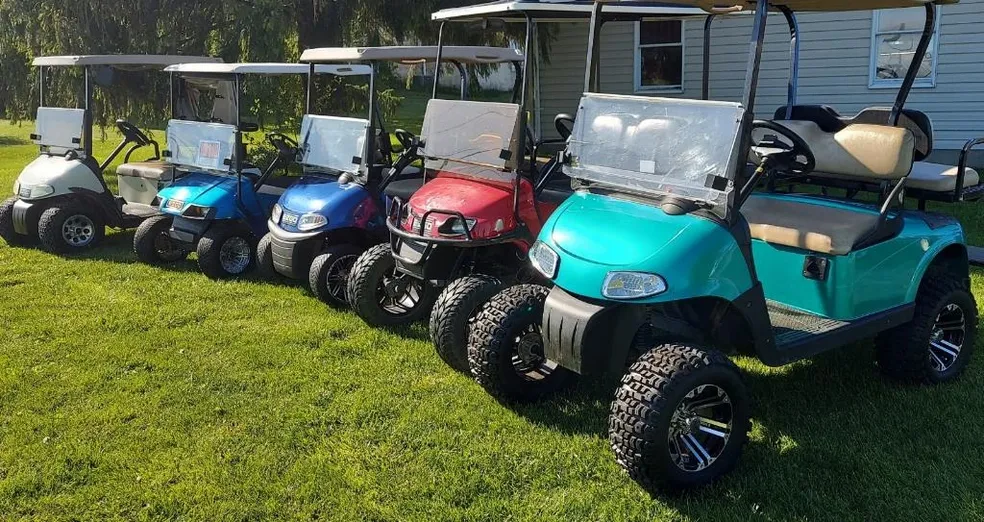
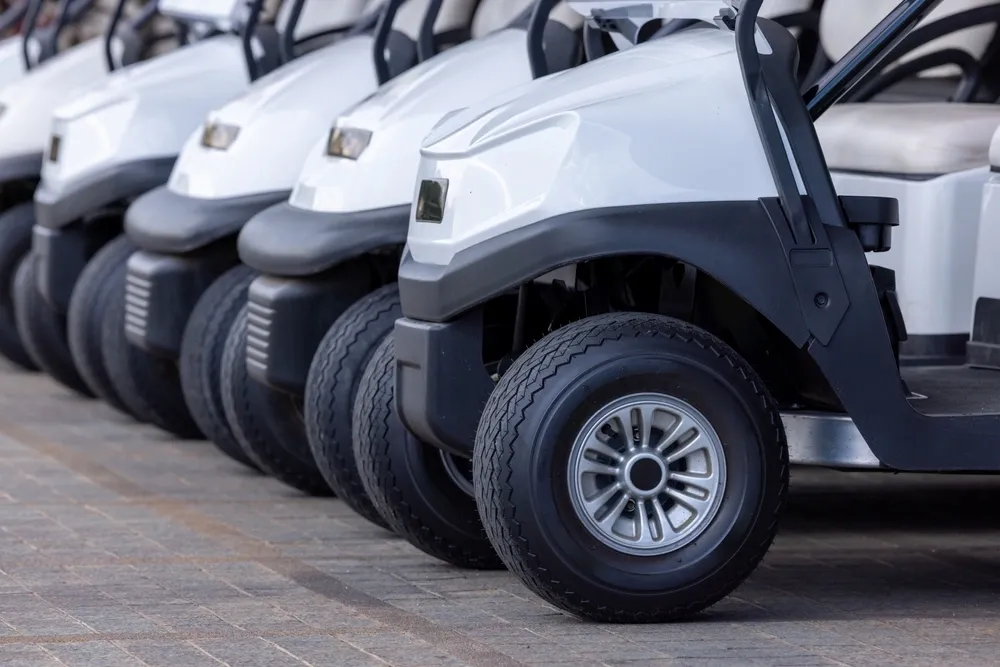

Security directors face a persistent challenge: traditional patrol vehicles are too large, too loud, and too expensive for most facility environments. Golf carts solve this problem efficiently, providing silent mobility, tight-space access, and operational costs that run a fraction of conventional vehicles. What started as an unconventional choice has become standard practice across hospitals, campuses, corporate facilities, and manufacturing plants where security teams need vehicles that actually match how modern patrol work happens.
Why Security Teams Are Choosing Golf Carts
The shift from traditional patrol vehicles to golf carts isn’t just a cost-cutting measure. It represents a fundamental rethinking of what effective security patrol actually requires. Traditional patrol cars excel on public roads and highways, but most security work happens in controlled environments where their size, noise, and fuel consumption become liabilities rather than assets.
Golf carts solve problems that security directors face daily. They navigate tight spaces between buildings, access pedestrian areas where vehicles can’t go, and allow officers to maintain better situational awareness through open-air design. The quiet electric motors mean officers arrive without announcing their presence, giving them tactical advantages that loud combustion engines eliminate.
The operational advantages include:
- Enhanced maneuverability: Golf carts access narrow pathways, pedestrian walkways, and building corridors that traditional vehicles cannot navigate, expanding patrol coverage across your entire property
- Reduced operational noise: Electric motors allow officers to patrol without disturbing residents, patients, students, or employees while maintaining the element of surprise during incident response
- Lower visibility profile: Smaller vehicles blend into campus or facility environments better than imposing patrol cars, creating a security presence that feels protective rather than intimidating
The economics matter too. A single tank of gas for a traditional patrol vehicle costs what powers an electric golf cart for weeks. Insurance premiums drop significantly. Maintenance intervals stretch longer. Training new officers takes hours instead of days. When you’re managing a security budget, these differences compound into substantial savings that can be redirected toward personnel, equipment, or training.
Understanding Your Patrol Environment
Before outfitting golf carts for security applications, you need to honestly assess your specific patrol environment. Not all facilities have identical needs, and the customization options available mean you can build exactly what your team requires rather than compromising on a one-size-fits-all solution.
Consider the terrain your officers traverse during shifts. Smooth pavement allows for standard tires and suspension, but properties with gravel roads, grass fields, or uneven surfaces demand upgrades. The distance officers travel per shift determines battery capacity requirements. Climate affects everything from enclosed cab necessity to weather protection for equipment.
Security operations at manufacturing plants differ dramatically from university campus patrols, which bear little resemblance to hospital security needs. Each environment presents unique challenges that proper customization addresses. The flexibility of golf cart platforms means you can configure vehicles precisely for your operational requirements without paying for features you’ll never use.
Key environmental factors to evaluate before customization:
- Average patrol route distance per shift to determine necessary battery capacity and charging infrastructure
- Surface conditions and terrain variations including pavement, gravel, grass, hills, and potential obstacles
- Weather exposure levels considering whether patrols occur in open areas or under covered walkways
- Storage and parking availability for both active vehicles and charging stations
Essential Equipment and Modifications
Lighting Systems
Visibility determines safety for both officers and the public. Proper lighting systems transform standard golf carts into effective patrol vehicles that function reliably during night shifts.
Emergency lights are non-negotiable for security applications. LED light bars provide high-visibility warning signals that alert pedestrians and vehicles to security presence. Amber lights work well for general patrol, while red and blue options may be appropriate depending on your jurisdiction and authority level. Always verify local regulations before installing emergency lighting.
Work lights illuminate areas officers need to inspect. Roof-mounted spotlights provide powerful beams for examining suspicious locations, while auxiliary lights mounted on front and rear bumpers improve visibility during routine patrols. Consider lights with adjustable angles and remote controls that officers can operate without leaving the vehicle.
Underglow lighting serves both practical and psychological purposes. It makes the vehicle more visible to pedestrians in low-light conditions while projecting a professional security presence. Blue or white underglow typically works best for security applications, avoiding colors that might confuse the public about authority levels.
Essential lighting configurations should include:
- 360-degree visibility lighting that ensures the security vehicle can be seen from all angles during both stationary and mobile operations
- Directional work spotlights with minimum 1000-lumen output for investigating dark corners, alleys, and building perimeters effectively
- Backup and approach lighting that illuminates areas around the vehicle when reversing or parking to prevent accidents and improve officer safety
Communication Equipment
Modern security operations depend on constant communication. Your patrol carts need reliable systems that keep officers connected to dispatch, other team members, and emergency services.
Radio mounts should position handsets within easy reach while keeping them secure during movement. Consider weather-resistant mounts that protect communication equipment from the elements. Some operations benefit from external speakers that allow officers to broadcast announcements or warnings without leaving the vehicle.
Tablet or laptop mounts enable digital reporting and real-time access to security systems. Officers can pull up surveillance footage, check access logs, or document incidents without returning to a central office. Ensure mounts provide stability during movement and position screens to minimize glare while maintaining ergonomic viewing angles.
Mobile charging solutions keep electronics powered throughout extended shifts. Multiple USB ports accommodate phones, tablets, radios, and other devices. Some security teams install auxiliary battery systems specifically for electronics, ensuring patrol cart mobility isn’t compromised by communication equipment power demands.
Storage and Equipment Organization
Security officers carry various equipment that needs secure, organized storage. Proper customization ensures everything has a designated place that remains accessible during patrols.
Locking storage compartments protect valuable equipment and sensitive materials. Rear cargo boxes provide weather-resistant storage for emergency supplies, investigation equipment, or seasonal gear. Some operations add weapon storage that meets legal requirements and security protocols.
Equipment racks organize specific items for quick access. First aid kits, fire extinguishers, traffic cones, and barricades should mount securely but remain easy to deploy. Consider your team’s most common responses and position equipment accordingly.
Custom configurations might include:
- Clipboard and report form holders that allow officers to document incidents without struggling with paperwork in windy conditions
- Beverage holders and small storage for personal items that officers need during long shifts
- Equipment charging stations built into storage compartments for rechargeable flashlights, body cameras, and other battery-powered tools
Power and Performance Considerations
Security patrol demands reliable performance across entire shifts. Understanding power options and their implications helps you spec vehicles that won’t leave officers stranded mid-patrol.
Electric vs Gas Powered
Electric golf carts dominate security applications for compelling reasons. Silent operation provides tactical advantages. Zero emissions mean vehicles can operate in enclosed or semi-enclosed spaces without air quality concerns. Charging costs remain minimal compared to fuel expenses.
Battery technology has advanced significantly. Lithium-ion batteries offer longer range, faster charging, and better performance than traditional lead-acid options. They maintain consistent power output as charge depletes, meaning your carts perform reliably throughout shifts rather than losing performance as batteries drain.
Golf Cart Guy Gap PA offers both standard and upgraded battery options including Crown and eco-battery systems. These upgrades extend range significantly, which matters when security teams patrol large properties or work extended shifts. The investment in quality batteries pays back through reduced charging frequency and extended battery lifespan.
Gas-powered options still make sense for some operations. Properties with limited electrical infrastructure, extremely large patrol areas, or cold climates where battery performance suffers might benefit from gas engines. They refuel quickly and provide unlimited range with proper fuel management.
Critical power system factors for security operations:
- Shift duration and distance coverage: Calculate total miles officers patrol during typical shifts to ensure battery capacity exceeds requirements with safety margin
- Charging infrastructure availability: Assess whether your facility can support multiple charging stations or if gas-powered flexibility better suits operational constraints
- Cold weather performance needs: Recognize that battery efficiency drops in freezing temperatures, potentially requiring oversized batteries or heated storage solutions for winter operations
Performance Modifications
Most used golf carts in Reading work adequately for casual use, but security applications often demand enhanced performance. Speed modifications help officers respond quickly to incidents, though they must balance response time against safety and local regulations.
Upgraded motors and controllers improve acceleration and hill-climbing ability. Properties with significant elevation changes benefit from these enhancements, ensuring officers can navigate efficiently regardless of terrain.
Suspension upgrades improve comfort during extended patrols and maintain stability when navigating rough surfaces. Officers working eight or twelve-hour shifts appreciate suspension systems that reduce fatigue. Enhanced suspension also protects mounted equipment from excessive vibration.
Building Your Security Fleet
New vs Used Considerations
Budget constraints affect every security operation. Used golf carts offer substantial savings while providing reliable service when properly refurbished and customized.
Quality used golf carts for sale in Bel Air, MD and the surrounding states that have been thoroughly inspected and refurbished can serve security applications effectively for years. The key is working with suppliers who understand the difference between casual-use vehicles and carts that will log thousands of miles in demanding patrol environments.
New carts provide the latest technology and full warranty coverage. They make sense for operations with adequate budgets that prioritize minimizing maintenance concerns. Some security operations split their fleet, using new vehicles for primary patrol while keeping refurbished units as backup.
Fleet Sizing Strategy
Determining the right number of patrol carts requires analyzing your property size, shift structure, and response time requirements. Most operations need:
- Primary patrol vehicles matching the number of simultaneous patrols
- Backup units for maintenance rotation or emergency situations
- Specialty vehicles for specific functions like supervisor rounds or incident response
Starting with a core fleet and expanding based on operational experience often works better than overbuying initially. You’ll learn which configurations work best and where additional vehicles provide the most value.
Real-World Applications
Security golf carts excel across diverse environments. Corporate campuses use them for perimeter patrols and visitor assistance. Educational institutions rely on them for student safety and emergency response. Healthcare facilities deploy them for patient transport alongside security functions. Manufacturing plants use them to monitor vast indoor and outdoor spaces efficiently.
Event security has embraced golf carts for crowd management and rapid response. Their ability to navigate pedestrian areas while carrying equipment and providing high visibility makes them ideal for concerts, sporting events, and festivals.
Residential communities use security carts for overnight patrols, parking enforcement, and community assistance. The quiet operation and friendly appearance encourage positive resident interactions while maintaining security presence.
Q&A: Common Security Cart Questions
How far can a security golf cart travel on a single charge?
Standard lead-acid batteries typically provide 25-35 miles of range, while upgraded lithium-ion systems can exceed 50 miles. Actual range depends on terrain, speed, passenger weight, and accessory power consumption. Most security patrols cover less than 30 miles per shift, making electric carts practical for the vast majority of operations.
Are golf carts safe enough for security applications?
When properly equipped with seat belts, lights, mirrors, and appropriate safety features, golf carts meet safety requirements for most security patrol applications. They’re actually safer in many regards than traditional vehicles because their lower speeds reduce accident severity while their maneuverability helps avoid collisions entirely.
What’s the typical lifespan of a security patrol golf cart?
With proper maintenance, electric golf carts routinely serve 10-15 years in security applications. Battery replacement represents the most significant maintenance expense, with quality lithium-ion batteries lasting 5-10 years. Gas carts may require more frequent engine maintenance but can also provide decade-long service.
Transform Your Security Operations Today
Modern security patrol doesn’t require compromising efficiency for capability. Purpose-built golf carts deliver the performance, reliability, and functionality that safety teams need while providing substantial operational savings compared to traditional patrol vehicles.
Golf Cart Guy Gap PA understands security applications and offers both new and used golf carts that can be fully customized for patrol duty. Whether you need basic transportation with essential safety features or fully-equipped patrol vehicles with advanced systems, their team can configure vehicles that match your operational requirements and budget.
Consult Golf Cart Guy Gap PA today to explore options and discuss how customized patrol carts can enhance your security operations.


