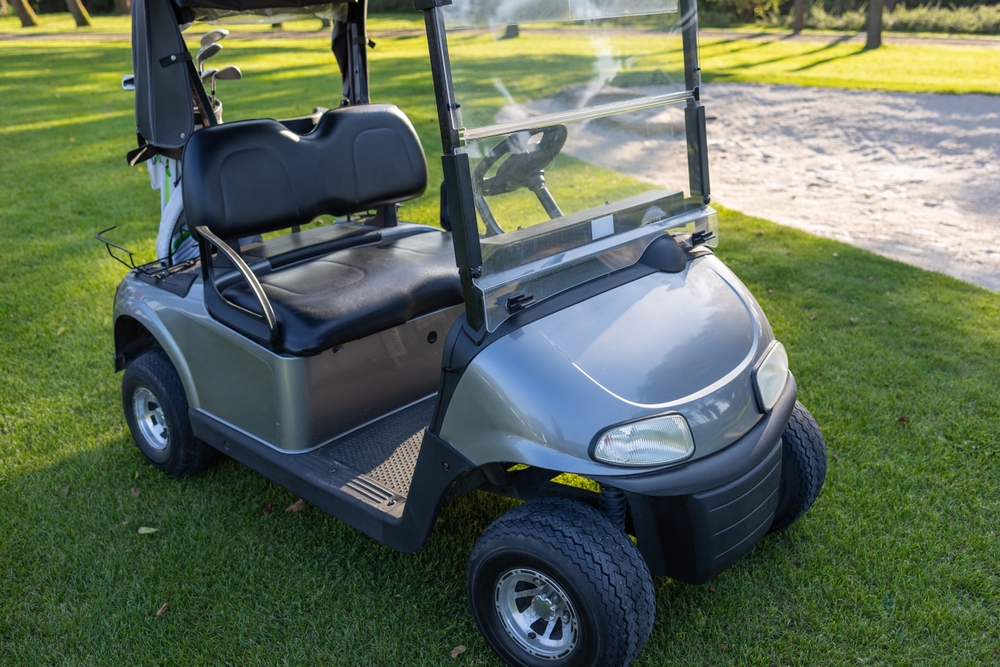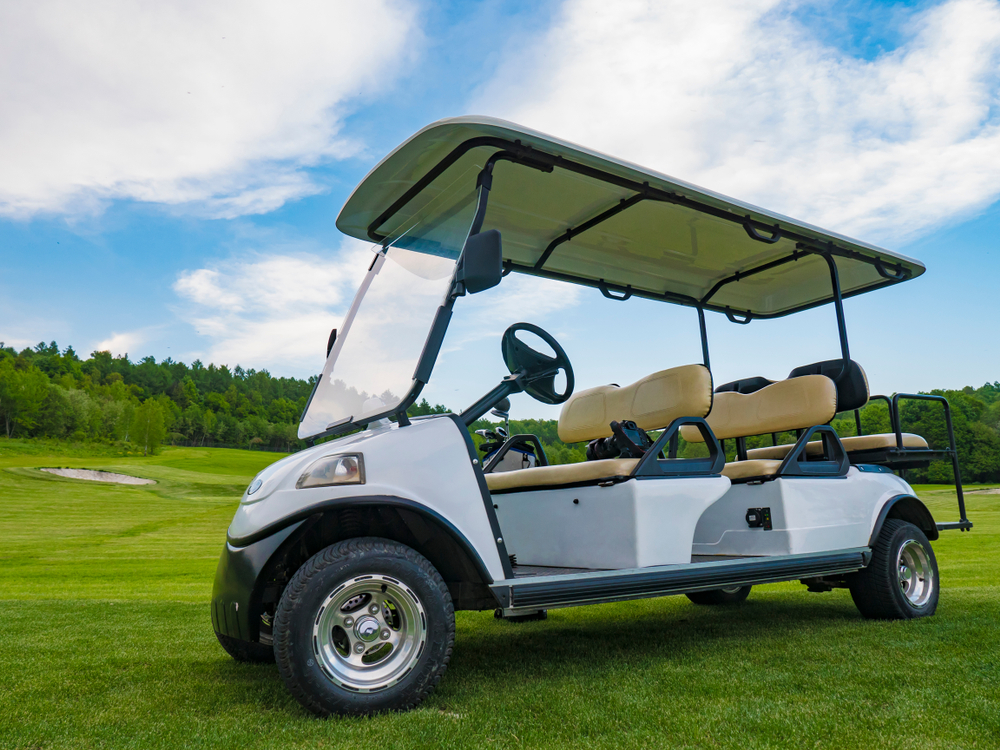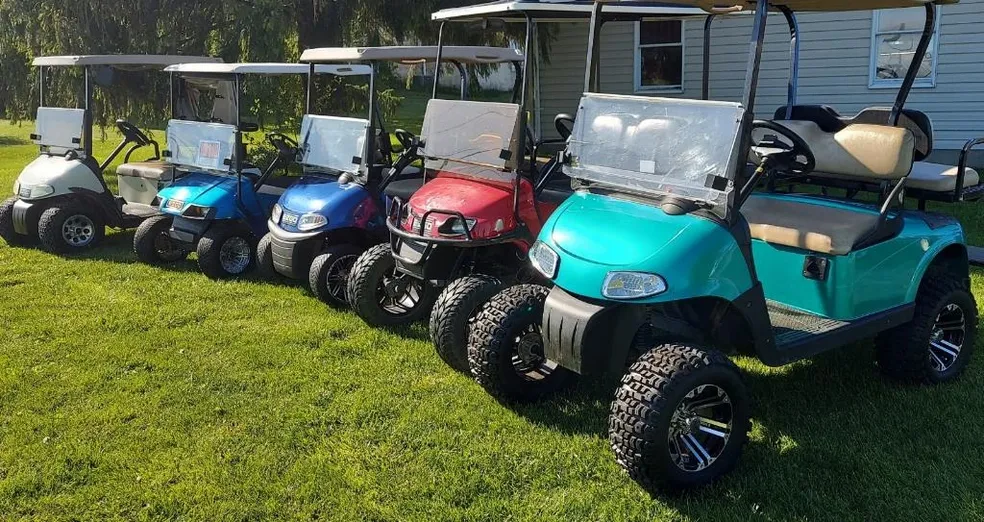


Here’s something nobody tells you when you buy a golf cart: winter doesn’t just pause your cart until spring, it actively damages it. Every single day your cart sits unprotected in cold weather, microscopic processes are working against you. Batteries are self-discharging, seals are contracting and cracking, moisture is condensing in hidden compartments, and fuel is breaking down into engine-clogging sludge.
The question isn’t whether winter will harm your cart, it’s how much damage you’re willing to accept before you decide to do something about it. What if twenty minutes of preparation this fall could save you hundreds of dollars and countless hours of frustration next spring?
Winterizing your golf cart isn’t just some optional maintenance task that manufacturers throw into the manual to make themselves feel important. It’s the difference between firing up your cart on that first beautiful spring day and spending your weekend troubleshooting problems that could have been completely avoided. Whether you’re using your cart for farm work, hauling equipment, or just getting around your property, taking care of it before the cold weather hits will save you money, frustration, and a whole lot of headaches down the road.
Why Winterizing Actually Matters
Let’s be honest for a second. Most of us don’t think about our golf carts when the temperature drops. We park them in the shed, throw a tarp over them if we’re feeling ambitious, and forget they exist until we need them again. But here’s what’s happening while your cart sits there all winter: batteries are slowly dying, seals are cracking, fuel is going stale, and moisture is creeping into places it definitely shouldn’t be.
The good news? For most used golf carts for sale in Pottstown, PA and elsewhere, a little bit of prevention goes an incredibly long way. Think of winterizing like putting your cart into hibernation mode. You’re basically tucking it in for a long nap and making sure it wakes up refreshed and ready to work. And if you’ve invested in a quality used golf cart from Golf Cart Guy Gap PA, you already know these machines are built to last. Winterizing just helps them last even longer.
When Should You Start Winterizing?
You don’t need to wait for the first snowfall to start thinking about winter prep. In fact, that’s way too late. The ideal time to winterize your golf cart is before temperatures consistently drop below 40 degrees. For most of us, that means late October or early November is the sweet spot.
Here’s why timing matters. Batteries perform terribly in cold weather, and if you let them sit in freezing temperatures without proper preparation, you’re basically asking them to fail. Similarly, any water or moisture in your cart’s system can freeze and expand, causing cracks and damage that won’t show up until spring when it’s too late to do anything about it.
The Complete Winterizing Checklist
Alright, let’s get into the actual process. This isn’t rocket science, and you don’t need to be a mechanic to handle most of these steps. Grab yourself an afternoon, maybe a cup of coffee, and let’s walk through everything you need to do.
Battery Care: Your Number One Priority
Your battery is hands down the most important component to protect during winter. Whether you’ve got a standard battery or upgraded to a Crown or eco-battery through customization services, proper winter storage is critical.
First things first: charge that battery fully before storage. A fully charged battery is way more resistant to freezing than a partially charged one. In fact, a fully charged battery won’t freeze until temperatures hit around negative 75 degrees, while a discharged battery can freeze at just 20 degrees. Big difference, right?
Once it’s charged, you’ve got a decision to make. You can either remove the battery completely and store it somewhere warmer, or you can leave it in the cart and use a battery maintainer. If you’re removing it, make sure you’re storing it in a dry place where temperatures stay above freezing. A basement or heated garage works perfectly. Just don’t put it directly on concrete. Throw down a piece of wood or cardboard first.
If you’re leaving the battery in the cart, invest in a good quality battery maintainer or trickle charger. These devices keep your battery at the perfect charge level all winter long without overcharging it. It’s like giving your battery a steady drip of energy to keep it healthy and happy.
Here’s something most people don’t think about: clean your battery terminals before winter. Corrosion builds up over time, and it can get worse during storage. Grab a wire brush, clean off those terminals, and apply a thin layer of petroleum jelly to prevent corrosion from forming while your cart sits idle.
Cleaning: More Important Than You Think
You might be wondering why you need to clean a cart that’s just going to sit in storage. Fair question. Here’s the thing: dirt, mud, grass clippings, and debris trap moisture against your cart’s body and components. That moisture leads to rust, corrosion, and degradation of seals and plastic parts.
Give your cart a thorough washing before you put it away. Get underneath it, spray out the wheel wells, clean around the battery compartment, and wipe down all the surfaces. Pay special attention to the undercarriage if you’ve been using your cart for farm work or heavy duty tasks. Once everything is clean and dry, consider applying a coat of wax to the body. It adds an extra layer of protection against moisture and keeps your cart looking good.
Don’t forget about the seats and any fabric or vinyl components. Clean these thoroughly and consider treating them with a protectant designed for vinyl or leather. If your cart has been customized with a cargo bed or special seating, make sure those areas get attention too.
Tire Maintenance: Keep Them Happy
Tires seem pretty low maintenance, but winter storage can actually cause some serious issues for a golf cart in Montgomery County if you’re not careful. When a cart sits in one position for months, the tires develop flat spots where they touch the ground. These flat spots can become permanent, leading to a bumpy, uncomfortable ride when you start using your cart again.
Inflate your tires to the maximum recommended PSI before storage. This helps prevent flat spotting and keeps the tires from developing cracks. If possible, move your cart slightly every few weeks during winter to change the contact points on the tires. Can’t do that? Consider putting your cart up on blocks to take the weight completely off the tires.
While you’re at it, check your tires for any signs of wear, cracking, or damage. Winter is actually the perfect time to replace tires if they need it, especially if you’re planning to have any customization or refurbishing work done before next season.
Fuel System Care for Gas-Powered Carts
If you’ve got a gas-powered golf cart, the fuel system needs some serious attention before winter. Gasoline breaks down over time, and old gas can gum up your carburetor, clog fuel lines, and make starting your cart an absolute nightmare come spring.
You’ve got two options here. Option one: completely drain the fuel system. Run your cart until the tank is empty, then disconnect the fuel line and drain whatever’s left in the carburetor. This is the most thorough approach. Option two: fill the tank completely and add a fuel stabilizer. The stabilizer prevents the gas from breaking down and keeps everything running smoothly.
Most people prefer the stabilizer method because it’s easier and less messy. Just make sure you run your cart for about ten minutes after adding the stabilizer so it circulates through the entire fuel system. Either way, you’re protecting your carburetor and fuel lines from the damaging effects of stale gasoline.
Protect Against Moisture and Pests
Moisture is public enemy number one during winter storage. Even if your cart is stored in a shed or garage, moisture can still find its way in through temperature changes and condensation. A good quality, breathable golf cart cover is your best defense. Don’t use a plastic tarp. They trap moisture underneath and can actually make things worse.
While you’re thinking about protection, don’t forget about pests. Mice and other critters love golf carts during winter. They’ll chew through wiring, build nests in your engine compartment, and generally make themselves at home. Place some mouse repellent or dryer sheets around and inside your cart to keep them away. Check for any openings where pests might enter and block them off.
Your Winterizing Timeline and Checklist
Here’s a handy reference table to keep you organized:
Battery Care
- Charge battery fully
- Time Required: 4–8 hours
- When to Do It: Before final storage
- Priority: Critical
- Ensure a full charge to prevent battery degradation during off-season storage
- Clean battery terminals
- Time Required: 10 minutes
- When to Do It: While charging
- Priority: High
- Removes corrosion for optimal performance and prolongs battery life
- Install battery maintainer
- Time Required: 10 minutes
- When to Do It: After battery is charged
- Priority: High (if not removing)
- Maintains peak battery charge if the cart will sit unused for months
Cleaning & Protection
- Clean entire cart
- Time Required: 45–60 minutes
- When to Do It: Before covering
- Priority: High
- Wash thoroughly to prevent dirt and grime buildup under covers
- Apply protectant to seats
- Time Required: 15 minutes
- When to Do It: After cleaning
- Priority: Medium
- Protects seats from cracking, fading, and weather damage
- Cover cart properly
- Time Required: 10 minutes
- When to Do It: Final step
- Priority: High
- Use a breathable cover to shield from dust, moisture, and sun exposure
- Place pest deterrents
- Time Required: 5 minutes
- When to Do It: With covering
- Priority: Medium
- Prevents pests from nesting under the cover during storage
Tires & Fuel
- Check and inflate tires
- Time Required: 15 minutes
- When to Do It: After cleaning
- Priority: High
- Maintains proper tire pressure to avoid flat spots or damage
- Add fuel stabilizer or drain fuel
- Time Required: 20–30 minutes
- When to Do It: Before final storagE
- Priority: Critical (gas carts)
- Prevents fuel from degrading and clogging the engine during storage
Ongoing Maintenance
- Monthly check-in
- Time Required: 10 minutes
- When to Do It: Once per month
- Priority: Medium
- Quick inspection ensures nothing has shifted, leaked, or been damaged over time
Special Considerations for Customized Carts
If you’ve had customization work done on your cart through Golf Cart Guy Gap PA, you might have some additional components to think about. Carts with cargo beds need special attention to make sure drainage holes aren’t clogged and that the bed isn’t holding water. Tow hitches should be cleaned and treated with a rust preventative. Any custom electrical components or upgraded systems need to be checked to ensure connections are clean and protected.
Heavy duty frame reinforcements generally require less maintenance, but it’s still worth doing a visual inspection for any signs of wear or damage. If you’ve upgraded to an eco-battery system, follow the manufacturer’s specific storage recommendations, which might be slightly different from standard batteries.
What About Mid-Winter Maintenance?
Just because your cart is winterized doesn’t mean you should completely ignore it until spring. Try to check on your cart at least once a month during winter. Look for any signs of pest activity, check that the cover is still secure, and if you’re using a battery maintainer, verify that it’s still working properly.
If you have the ability to start your cart and move it slightly, that’s even better. It keeps fluids circulating, prevents flat spots on tires, and helps you catch any developing issues before they become major problems. You don’t need to take it for a full drive, just starting it up and moving it a few feet can make a difference.
Getting Ready for Spring
When spring finally rolls around, don’t just jump in your cart and expect it to perform perfectly. Give yourself some time to properly de-winterize. Remove the cover and do a thorough inspection. Check fluid levels, examine tires for any damage that might have occurred during storage, and look over all the components you protected during fall.
If you removed the battery, reinstall it and check the charge level. Even with a maintainer, it’s worth topping off the charge before your first ride. Test all the electrical components to make sure everything is working properly. If you used fuel stabilizer, you’re good to go. If you drained the fuel system, you’ll need to refill the tank and prime the fuel system before starting.
When Professional Help Makes Sense
Look, most winterizing tasks are pretty straightforward, but there’s no shame in getting professional help. If you’re uncomfortable working with batteries, if you’re not sure about your fuel system, or if you want a comprehensive inspection before storage, the team at Golf Cart Guy Gap PA can help. They understand these machines inside and out, and they can spot potential issues that you might miss.
This is especially true if your cart is older or if you’ve been experiencing any performance issues. Winter is actually the perfect time to have maintenance or refurbishing work done. You’re not using the cart anyway, so why not have it serviced while it sits? Come spring, you’ll have a cart that’s not just properly stored but also freshly maintained and ready to handle whatever work you throw at it.
The Bottom Line
Winterizing your golf cart really comes down to this: spend a little time now or spend a lot of money later. It’s that simple. These machines are tougher than most people give them credit for, especially quality used golf carts that have been properly refurbished and maintained. But even the toughest cart needs some basic protection from winter’s harsh conditions.
Think of winterizing as an investment in your cart’s future. You’re protecting your investment, extending the life of your battery, preventing rust and corrosion, and saving yourself from the frustration of dealing with preventable problems when you actually need to use your cart. Plus, there’s something really satisfying about knowing your cart is properly tucked away for winter, ready to go when warmer weather returns.
So grab your supplies, set aside an afternoon, and get your cart ready for winter. Your future self will thank you when spring arrives and your cart starts up on the first try. And if you run into any issues or need help with any part of the process, remember to contact Golf Cart Guy Gap PA for professional service and maintenance. Taking care of your golf cart isn’t just about this winter or next spring. It’s about getting years of reliable service from a machine that works as hard as you do.