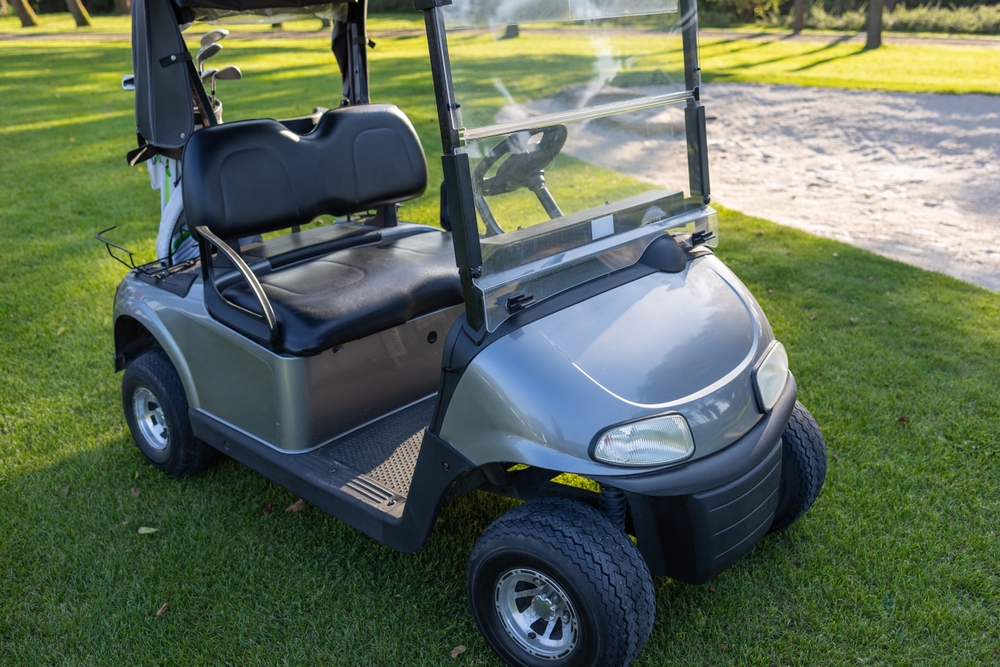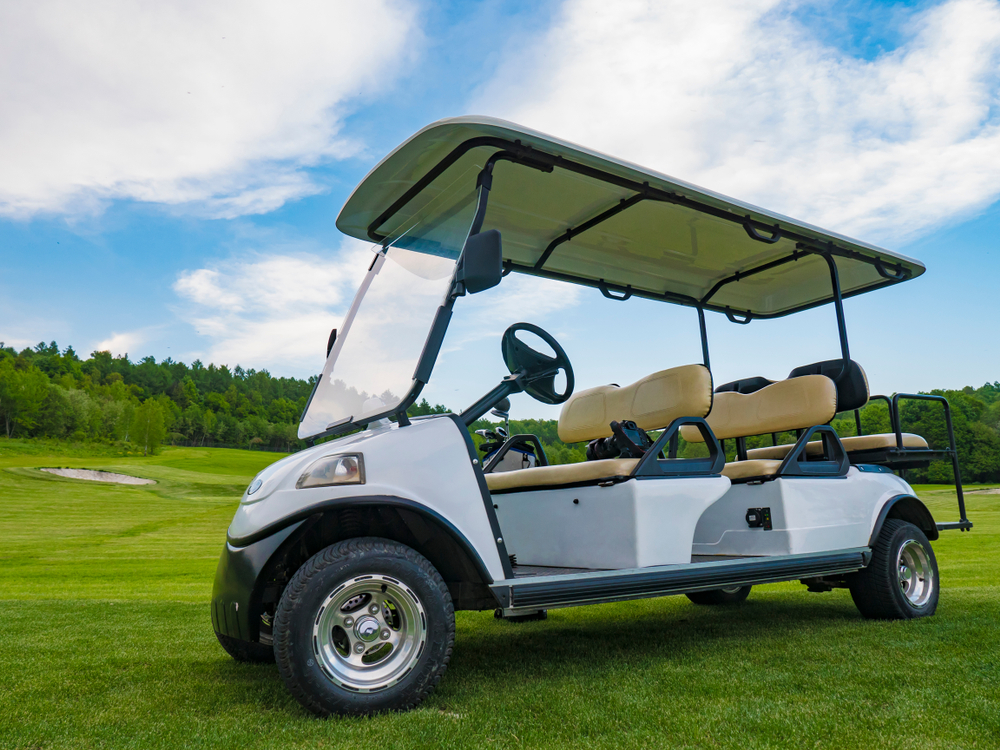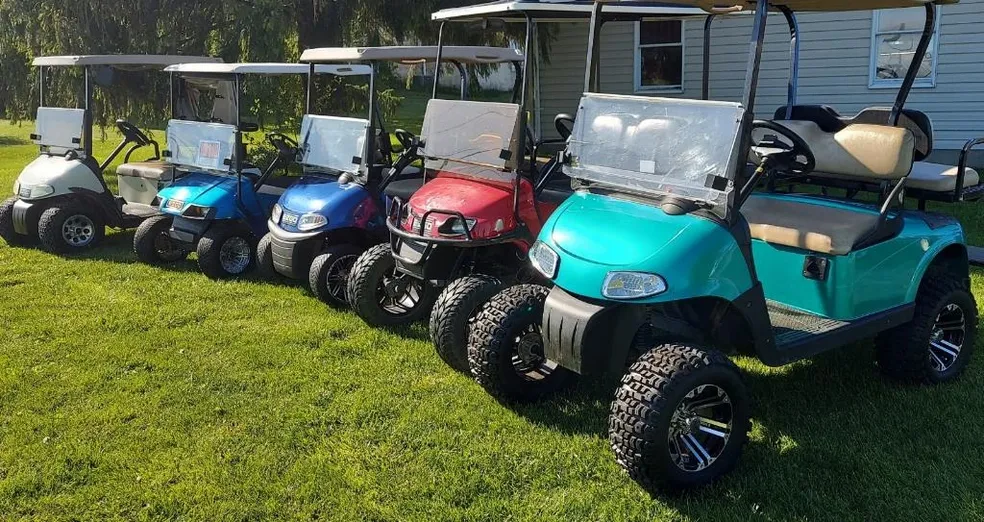
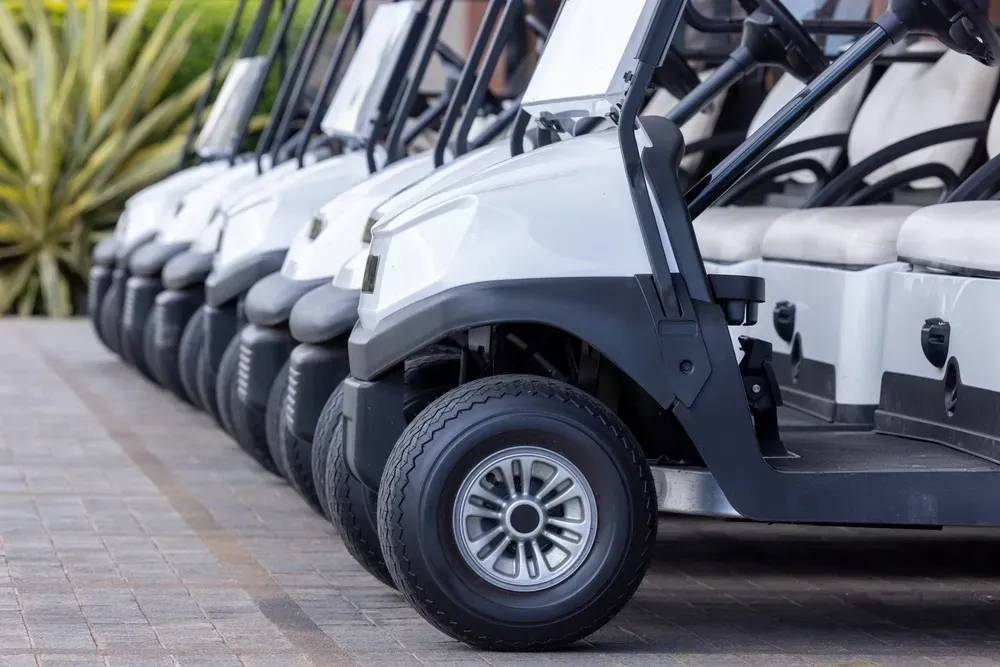

Ever coasted to a stop in the middle of a jobsite, golf course, or warehouse floor because your cart ran out of juice? That moment of sudden silence can feel like the loudest noise in the world, especially when you’re counting on your cart to get the job done. Whether you’re using it to transport tools across a large facility or shuttle people around an event venue, unexpected power loss throws a wrench in your day. But here’s the good news, it’s totally avoidable with a few simple practices.
Managing your golf cart’s battery life is about more than just plugging it in overnight. From smart charging habits to tire care and route planning, every detail plays a role in keeping your fleet or personal cart running smoothly. And when you’re using carts in a commercial or industrial setting, downtime doesn’t just waste time. It costs money. Let’s look at how to extend your range and avoid those frustrating shutdowns when you need your cart most.
Proactively managing your cart’s energy use doesn’t have to be complicated. In fact, most of the strategies we’ll cover are things you can work into your regular routine without even thinking about it after a while. The key is understanding how each piece, such as battery, weight and terrain, works together. This post will walk you through practical, tested habits that can keep your carts in motion longer, so they stay reliable partners in your operation instead of unpredictable liabilities.
These best practices aren’t just for seasoned fleet managers, either. Whether you’re new to using golf carts in an industrial setting or a maintenance pro looking to get more out of your equipment, there’s something in here that can help. Let’s dig into how a few small changes can add up to a major difference in range and reliability.
Battery Charging Routines
Charging isn’t just about topping off a battery. It’s about keeping your power source in top condition. The key to long-term performance is consistency. A full overnight charge is ideal, but avoid keeping your cart plugged in constantly when not in use, unless your charger is designed to maintain and shut off automatically. Overcharging can reduce battery life just as much as running it too low.
Another helpful practice is to plug in after every use, not just when the battery is low. Partial charges are fine with modern chargers and can actually help avoid deep discharges that wear down battery capacity. Make sure terminals are clean and dry, and keep an eye on water levels if you’re working with lead-acid batteries.
Temperature also plays a surprising role in battery health. Charging in very cold or extremely hot environments can strain your system. If possible, charge carts in a sheltered area or during more moderate parts of the day. Battery performance tends to drop in winter, so during colder months, you might need to adjust usage patterns or charge intervals to compensate and keep your range steady.
Make it a habit to inspect your charger regularly, too. A damaged or faulty charger can cause inconsistent power delivery, which leads to incomplete charging cycles or long-term battery damage. Keeping a log of each cart’s charging schedule can help spot patterns and identify any early warning signs of a failing battery or charger setup.
Even the quality of the power source you use can make a difference. If your facility experiences voltage fluctuations or power outages, consider installing surge protectors or voltage regulators. These small additions can help protect the charger and battery from irregular currents that degrade performance over time.
Lastly, educate your team on proper charging protocol. A well-informed operator is less likely to make mistakes like unplugging too early or stacking carts on limited outlets. Small training sessions during onboarding or routine meetings can reinforce good habits and ensure consistency across your fleet. If any of these issues should arise and be beyond your means, seek out professional golf cart services in PA and the surrounding areas.
Correct Tire Pressure
Low tire pressure might not seem like a big deal until you realize how much drag it creates. It’s like trying to push a loaded wheelbarrow through sand: inefficient and tiring. Under-inflated tires increase the rolling resistance of your cart, forcing the motor to work harder and burning through more battery power. Always check the recommended PSI and inspect tires weekly, especially in work-heavy environments.
Properly inflated tires also improve maneuverability and stability, which makes operation safer and more comfortable for drivers and passengers. If your golf cart is part of a business or industrial fleet, that’s a win on both the efficiency and liability fronts. Don’t forget to check for uneven wear or damage that might signal an alignment issue or overloading problem.
Seasonal changes can impact tire pressure more than you might expect. As temperatures rise or fall, the air inside your tires expands or contracts. This means your tires might be properly inflated one day and underinflated the next without ever picking up a tool. Make a habit of checking tire pressure before major events or busy weeks to avoid mid-operation issues that could easily have been prevented.
Even the type of tire you use can influence range. Knobby, off-road tires provide extra grip but also increase drag, while smoother turf or street-style tires roll more easily on flat surfaces. Choosing the right tire for your terrain. and keeping it properly inflated, helps reduce power draw and keep your cart rolling farther between charges.
It’s also worth investing in a reliable tire pressure gauge and inflator that your team can access easily. Keeping those tools near where your carts are stored or charged encourages routine maintenance instead of turning it into an extra chore. The easier it is to check tire pressure, the more likely it’ll become a regular habit.
For larger fleets, consider implementing a weekly inspection checklist that includes tires, brakes, and lights. Assigning specific maintenance tasks to operators or supervisors helps ensure accountability and makes sure nothing is overlooked that could quietly affect performance and safety.
Weight Management
Think of your golf cart like a delivery truck. Every pound you add cuts into fuel efficiency. Hauling heavy loads or carrying more passengers than the cart is rated for will reduce your range quickly. That doesn’t mean you need to strip your cart bare, but it does mean rethinking what’s necessary to carry. Remove tools or gear that aren’t needed for the task at hand, and consider distributing heavier loads across multiple carts.
In commercial settings, it’s easy for carts to become rolling storage units. Over time, people tend to leave extra gear, unused bins, or personal items on board. It adds up. Doing a weekly clean-out of your carts can shed unnecessary pounds and improve your battery life in ways you’ll notice by the end of the shift.
Weight distribution matters, too. A cart that’s front- or rear-heavy won’t just wear unevenly—it may require more energy to accelerate or brake, which drains the battery faster. Try to balance your load as evenly as possible across the platform. If your carts consistently carry large loads, upgrading to a model designed for higher capacity might be more efficient than running one overloaded cart.
Don’t forget about attachments and modifications. That storage box or towing hitch might be useful, but each addition adds weight and can impact aerodynamics. If certain attachments aren’t used daily, consider removing them until needed again. A leaner cart is a longer-lasting cart when it comes to power.
Consider developing usage protocols for each department or team member who uses a cart. Creating a standard checklist for what should and should not be carried helps everyone align around smart weight management. These simple steps can lead to more uniform practices and longer-lasting carts across your entire fleet.
Lastly, if you regularly transport loads that push the limits of your cart’s capacity, it may be time to reassess your equipment altogether. Investing in a higher-capacity utility vehicle or adding a trailer cart to the rotation could reduce the stress on your existing units and improve efficiency across the board.
Route Planning
Efficiency isn’t just about how you drive. It’s also about where you drive. Planning your routes ahead of time can dramatically extend your battery life. Avoid steep inclines, rough terrain, or areas with lots of stop-and-go activity if smoother paths are available. In a large industrial or event space, mapping out the most efficient routes saves time, power, and wear on the cart.
Even something as simple as combining multiple short trips into one can make a difference. Instead of driving across a site three times for three separate deliveries, bundle them into a single route. Not only does this conserve battery life, it also reduces the time your team spends in transit and increases overall productivity.
Route planning becomes even more important when you have a fleet of carts in use. Coordinating who goes where, when, and how can prevent overlapping trips and reduce idle time. Using GPS tracking or simple check-in/out logs can help create a smarter workflow and keep your fleet operating at peak efficiency throughout the day.
Pay attention to traffic patterns and terrain on-site. Areas with heavy foot traffic, sharp turns, or frequent starts and stops are battery burners. When you can reroute around those zones, you keep energy output more consistent and predictable, which extends range. Think of route planning not just as logistics, but as a strategy for energy conservation.
Also, don’t underestimate how signage and communication help support better routing. Marking paths clearly and using radios or mobile apps to coordinate cart movement can minimize confusion and ensure smoother flow during high-traffic periods. This adds both efficiency and safety.
If your operation expands or changes frequently, take time every quarter to reassess the layout and routing. What worked last month might not be ideal today. Staying flexible and responsive with your route planning keeps energy use optimized no matter how your operation evolves.
Routine Maintenance Schedules
Routine maintenance may not be glamorous, but it’s the backbone of a cart’s longevity. Small issues like frayed wires, loose bolts, or worn brake pads can contribute to inefficient performance and cause unexpected breakdowns. Creating and sticking to a maintenance schedule allows you to catch these problems early, often before they have a chance to affect battery life or range.
Schedule routine checks that include electrical systems, brakes, tires, suspension, and battery health. Whether it’s a weekly walk-around inspection or a full monthly diagnostic, consistent attention prevents small oversights from becoming major repairs. It also ensures that range-extending strategies like good tire pressure and battery care are actually working.
An organized logbook can go a long way. Keeping detailed maintenance records allows you to track performance over time and spot trends. For businesses running multiple carts, this system helps identify underperforming units and plan service rotations more effectively.
Proactive maintenance also keeps your carts compliant with insurance or lease agreements, reducing liability in commercial settings. A well-documented service record reflects professionalism and responsibility, especially when carts are part of a visible operation like tours or events.
Operator Training and Habits
How your staff uses a cart day to day can have a major effect on range and reliability. It’s one of the best ways to avoid consistent golf cart repair in Coatesville and beyond. Hard acceleration, sudden stops, or idling with accessories running all take a toll on power reserves. Training operators to drive smoothly and shut down carts when not in use builds habits that save battery and wear.
Offer practical training during onboarding and refreshers throughout the year. Include how to check tire pressure, identify charging needs, and report early signs of battery trouble. When everyone understands their role in keeping carts in top shape, it’s easier to maintain consistency.
Good driving habits also reduce strain on the mechanical components. Braking gradually instead of slamming on the pedal can extend the life of brakes and suspension, which in turn supports overall cart health. These subtle behaviors add up, especially in large teams or busy operations.
Lastly, reward good stewardship. Recognizing employees who consistently follow maintenance and charging routines encourages others to do the same. It helps build a culture of care and responsibility that keeps your entire fleet running longer and stronger.
Power-Saving Practices at a Glance
- Charging Habits: Charge after every use and avoid overcharging. This preserves battery life and extends the range.
- Tire Maintenance: Check PSI weekly and adjust for weather. Proper tire pressure reduces rolling resistance and saves energy.
- Weight Management: Clear out unnecessary items and balance your loads. This puts less strain on the battery and improves handling.
- Route Planning: Combine multiple trips into one and avoid rough terrain. This conserves power and reduces downtime.
Prepping for the Long Haul
Golf carts have evolved far beyond the course. In industrial, commercial, and event settings, they’re vital tools that move people and gear efficiently across large spaces. But when they stall out unexpectedly, everything grinds to a halt. Fortunately, avoiding unexpected power loss isn’t complicated. A little attention to detail goes a long way.
You don’t need to be a mechanic to implement these best practices. In fact, most of them can be handled with a simple checklist, a pressure gauge, and a commitment to routine. The more consistent you are, the less likely you are to face unpleasant surprises when your cart is needed most.
Making these strategies part of your daily or weekly routine builds confidence and improves overall efficiency. Why not count on Golf Cart Guy Gap PA so your team knows they can count on the carts? Contact us today to allow your clients to see your seamless operation in action, and your business to move past avoidable downtime.