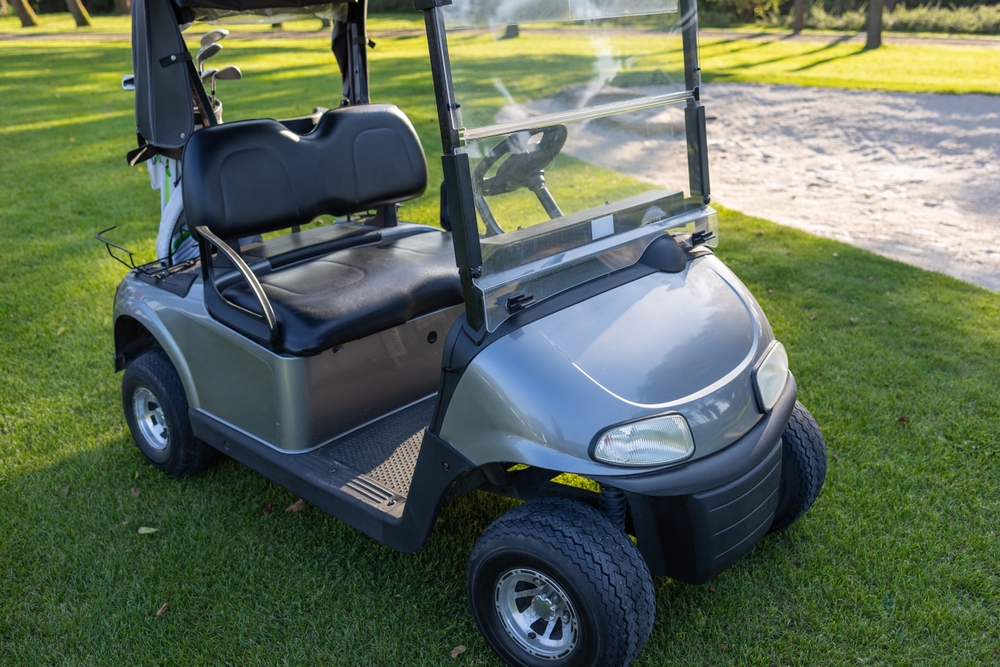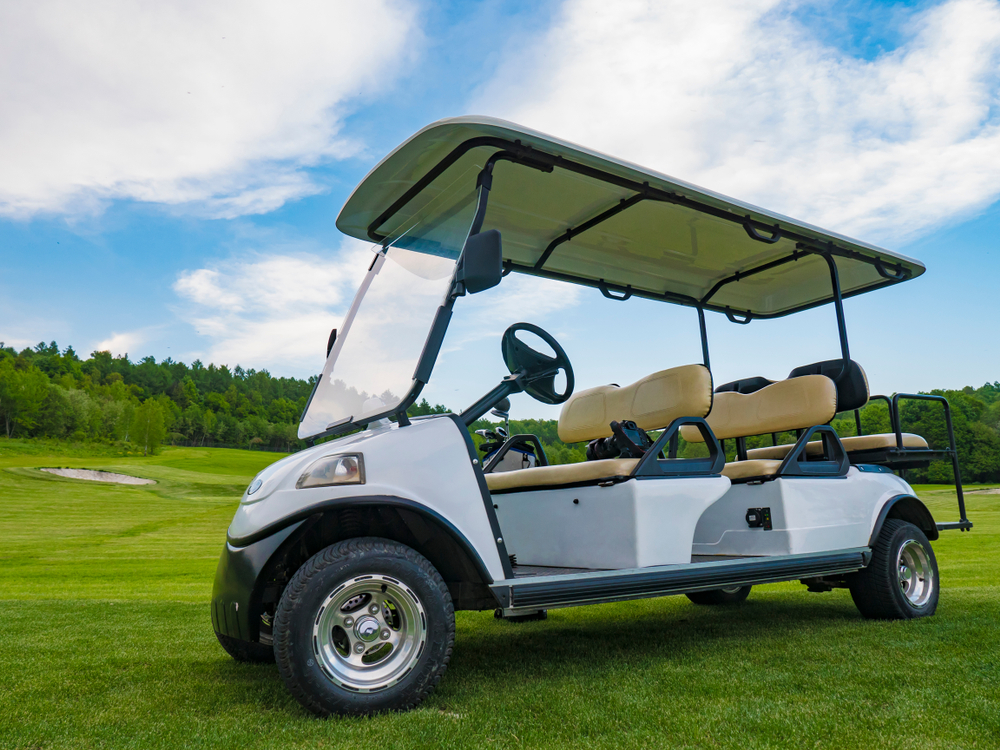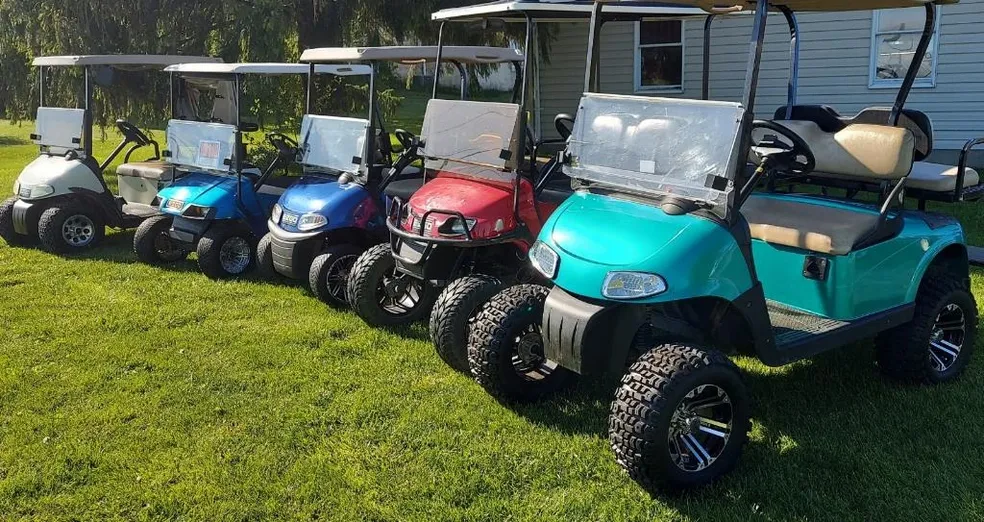


In commercial and industrial settings, electric and gas-powered golf carts do a lot more than cruise the fairways. They transport people, parts, tools, and even medical supplies across warehouses, campuses, manufacturing floors, and large-scale event venues. They’re utility vehicles first, and business assets second.
Due to the fact that they’re used daily and often under more demanding conditions than their leisure counterparts, recognizing early warning signs of wear and tear is essential. A failing cart doesn’t just stall productivity; it can compromise safety and lead to costly breakdowns.
Here are the top 5 signs your golf cart may need immediate repair, and why ignoring them can come at a high cost.
1. Sluggish Performance or Loss of Power
If your cart struggles on inclines, lags when accelerating, or just doesn’t have the same punch it used to, it’s time to investigate. In an industrial environment, a weak battery or malfunctioning controller doesn’t just slow things down, it risks downtime during time-sensitive operations.
What to check:
- Battery voltage and age
- Corroded terminals
- Motor health and controller response
In warehouse or airport use, carts often run for long hours. While not an immediate safety risk, routine voltage checks can extend battery life and reduce the risk of mid-shift failures.
2. Strange Noises or Vibrations
Anytime you begin to hear noises that you shouldn’t, you know it’s time to investigate. A golf cart that begins to rattle, squeak, or whine likely has an issue with the suspension, steering, or brakes. In heavy-duty use, like on construction sites or at logistics centers, these aren’t just annoyances. They’re full-blown red flags.
Listen for:
- Grinding (brake issues)
- Clicking when turning (CV joints)
- Whining during acceleration (motor or gear issues)
These issues are by far the easiest to pinpoint, as they announce themselves with a variety of noises. Don’t ignore them, as fixing a worn bearing now is far cheaper than replacing an axle later.
3. Charging or Fueling Problems
If your electric cart isn’t holding a charge, or your gas cart takes more fuel than usual, you could be headed toward a breakdown. In commercial settings, where carts are often part of a larger fleet, one bad battery system can ripple through your entire operation.
Signs to look for:
- Chargers that get hot or shut down prematurely
- Carts that won’t charge past a certain percentage
- Smell of gas or visible fuel leaks (in gas-powered carts)
Regular battery maintenance and routine golf cart services in PA are critical, especially if your fleet supports warehouse picking or medical transport.
4. Braking Problems
This one’s non-negotiable. Whether you’re transporting visitors around a corporate campus or carrying loads through an industrial plant, compromised brakes are a safety hazard. The cost of brakes could be the least of your troubles if regular maintenance is overlooked for too long.
Warning signs:
- Spongy or delayed braking response
- Squealing noises
- Pulling to one side when braking
If your braking system shows signs of wear, take the cart out of service until it’s fixed. You’ll be glad you didn’t risk it.
5. Dashboard Warnings or Lighting Issues
In high-use environments like distribution centers or large resorts, carts often run early mornings, late evenings, and in low-light conditions. Flickering dashboard lights or failing head/tail lights aren’t just electrical annoyances, they’re often signs of deeper issues.
Check for:
- Faulty fuses or corroded wiring
- Inconsistent display panel readings
- Headlights dimming unexpectedly
Dashboard warnings are easy to spot. After all, most Wilmington golf carts, and modern golf carts for that matter, are equipped to inform you the minute a problem surfaces. Lighting issues can lead to accidents in dim corridors or outdoor pathways, especially if your carts operate before sunrise or after dark.
Don’t Wait for a Breakdown: Why Preventive Care Matters
In commercial and industrial applications, your golf cart isn’t a luxury. It’s a lifeline for daily operations. Routine maintenance and early diagnostics save time, money, and frustration.
Whether you manage a facility with a single utility cart or an entire fleet, knowing the signs of trouble early helps you:
- Avoid operational downtime
- Extend the life of your investment
- Improve workplace safety
At Golf Cart Guy Gap PA, we specialize in maintaining and repairing commercial and industrial carts. From diagnostics to full overhauls, we understand the demands these workhorses face and we’re here to keep them running at peak performance.
Contact us today or request service to keep your carts running safely and efficiently, no matter how tough the job.